
Understanding gambling addiction recovery a pathway to healing
Defining Gambling Addiction
Gambling addiction, often referred to as compulsive gambling, is characterized by an uncontrollable urge to gamble despite the negative consequences. Individuals struggling with this addiction may find themselves prioritizing gambling over relationships, work, and even basic responsibilities. The thrill and excitement of gambling can create an emotional high, leading to an overwhelming cycle where the person continually seeks that rush, often resulting in financial, emotional, and psychological turmoil. As more people engage in online platforms, like lizarocasino-uk.org, the impact of technology on casinos becomes increasingly evident.

This addiction can manifest in various forms, from sports betting to casino games and online gambling platforms. With the rapid expansion of online gaming, including live dealer games and mobile apps, the accessibility of gambling has significantly increased, making it easier for individuals to engage in risky behaviors. Many do not recognize the signs of their addiction until they face severe repercussions, such as debt, strained relationships, or even legal issues.
Understanding gambling addiction is crucial for effective recovery. It often coexists with other mental health disorders such as depression or anxiety, further complicating the recovery process. Recognizing the triggers, patterns, and underlying psychological issues can help individuals confront their addiction and seek the necessary support for healing.
The Stages of Recovery
Recovery from gambling addiction is a multifaceted journey, typically divided into distinct stages. The first stage involves acknowledging the problem, which can be one of the hardest steps for many. Individuals may initially deny their gambling behavior and its impact on their lives. Recognizing that gambling is a problem often comes with the realization of its destructive nature and the desire to change, setting the stage for recovery.
The next stage is seeking help, whether through professional therapy, support groups, or family interventions. Cognitive-behavioral therapy (CBT) has proven effective for many, as it helps individuals understand the motivations behind their gambling behavior and develop coping strategies. Support groups such as Gamblers Anonymous provide a community of individuals who share similar struggles, offering both support and accountability through the recovery process.
The final stages of recovery include implementing long-term strategies to maintain sobriety and prevent relapse. This could involve setting up financial controls, seeking new hobbies, and establishing a supportive social network. The path to recovery is ongoing, and individuals must remain vigilant about their triggers and stay committed to their healing process to ensure a fulfilling life free from addiction.
Challenges in Recovery
Despite the steps outlined for recovery, many individuals face significant challenges along the way. Relapse is common in recovery from gambling addiction and can occur for various reasons, including stress, emotional distress, or exposure to gambling environments. The feelings of shame and guilt often accompanying a relapse can discourage individuals from seeking help again, creating a cycle of hopelessness.
Additionally, many recovering gamblers may find that their relationships have been strained or broken due to their addiction. Rebuilding trust with family and friends can be a lengthy and painful process, requiring patience and open communication. Individuals often need to demonstrate consistent changes in behavior, showing that they are committed to their recovery.
Access to resources and support can also present a challenge. For individuals in remote areas, finding local support groups or professionals knowledgeable about gambling addiction can be difficult. Online therapy options and virtual support groups have become invaluable for those facing geographical constraints, allowing individuals to connect with others and receive help more easily than before.
The Role of Technology in Recovery
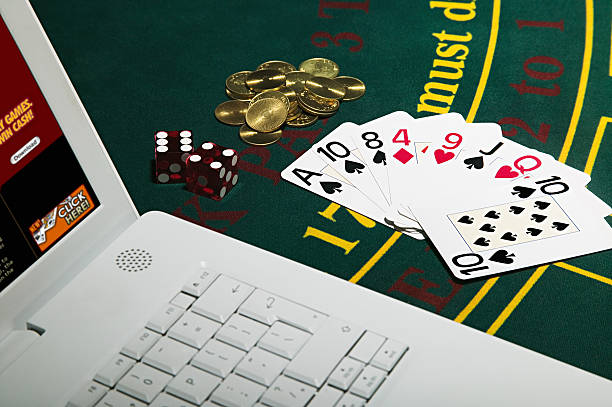
Technology plays a dual role in the landscape of gambling addiction recovery. On one hand, the rise of online casinos and gambling apps has contributed to the accessibility of gambling, making it easier for individuals to engage in problematic behaviors. This evolution has led to a need for increased awareness about responsible gaming and the risks associated with online gambling.
On the other hand, technology also offers innovative solutions for those on the path to recovery. Online therapy platforms and mobile applications focused on gambling addiction can provide resources, tools, and community support right at individuals’ fingertips. These resources may include tracking progress, engaging in cognitive behavioral techniques, or connecting with support groups, all of which can facilitate recovery.
Furthermore, online forums and social media groups dedicated to gambling addiction recovery have emerged as safe spaces for individuals to share their experiences and find encouragement. The anonymity offered by these platforms can reduce the stigma associated with gambling addiction, making it easier for individuals to seek help without fear of judgment.
Finding Help and Resources
For those struggling with gambling addiction, finding help is a vital step toward recovery. Numerous organizations and resources are available to provide assistance and support. Many individuals benefit from therapy with licensed professionals specializing in addiction, where they can explore the root causes of their gambling behaviors and develop personalized coping strategies.
Support groups, both in-person and online, play a crucial role in providing a sense of community for recovering gamblers. These groups offer an environment where individuals can share their stories, challenges, and successes, fostering accountability and mutual support. Education about gambling addiction is also essential for family members and loved ones, enabling them to understand the challenges their loved one faces and how best to support them in their recovery.
As more people become aware of gambling addiction and its effects, the availability of resources continues to expand. Many online platforms provide educational materials, recovery tools, and directories of support services tailored to meet the needs of those affected by gambling addiction. By leveraging these resources, individuals can find their pathway to healing and reclaim their lives from the grip of addiction.