

Understanding OFAC Sanctioned Countries: Impacts and Implications
In recent years, the United States has implemented a series of economic, trade, and diplomatic restrictions against certain countries, making it crucial for individuals and businesses to understand the implications of these sanctions. This article explores the OFAC sanctioned countries, examining their effects on international relations, commerce, and the lives of citizens in those nations.
What is OFAC?
The Office of Foreign Assets Control (OFAC) is an office of the U.S. Department of the Treasury. It administers and enforces economic and trade sanctions based on U.S. foreign policy and national security goals against targeted foreign countries and regimes. OFAC sanctions can take various forms, including comprehensive trade embargoes, which prohibit all trade, and targeted sanctions, which may focus on specific individuals, entities, or sectors within a country.
Reasons for Sanctions
Sanctions are typically imposed for a variety of reasons, including:
- National Security: Sanctions may be applied to countries that pose a threat to the U.S. or its allies.
- Human Rights Violations: Countries that are known for severe human rights abuses may face sanctions as a way to pressure them to change their practices.
- Terrorism Support: Nations that sponsor or support terrorist organizations can be sanctioned to restrict their financial resources.
- Nuclear Proliferation: Countries that pursue nuclear weapons development against international agreements may also be subject to sanctions.
List of OFAC Sanctioned Countries
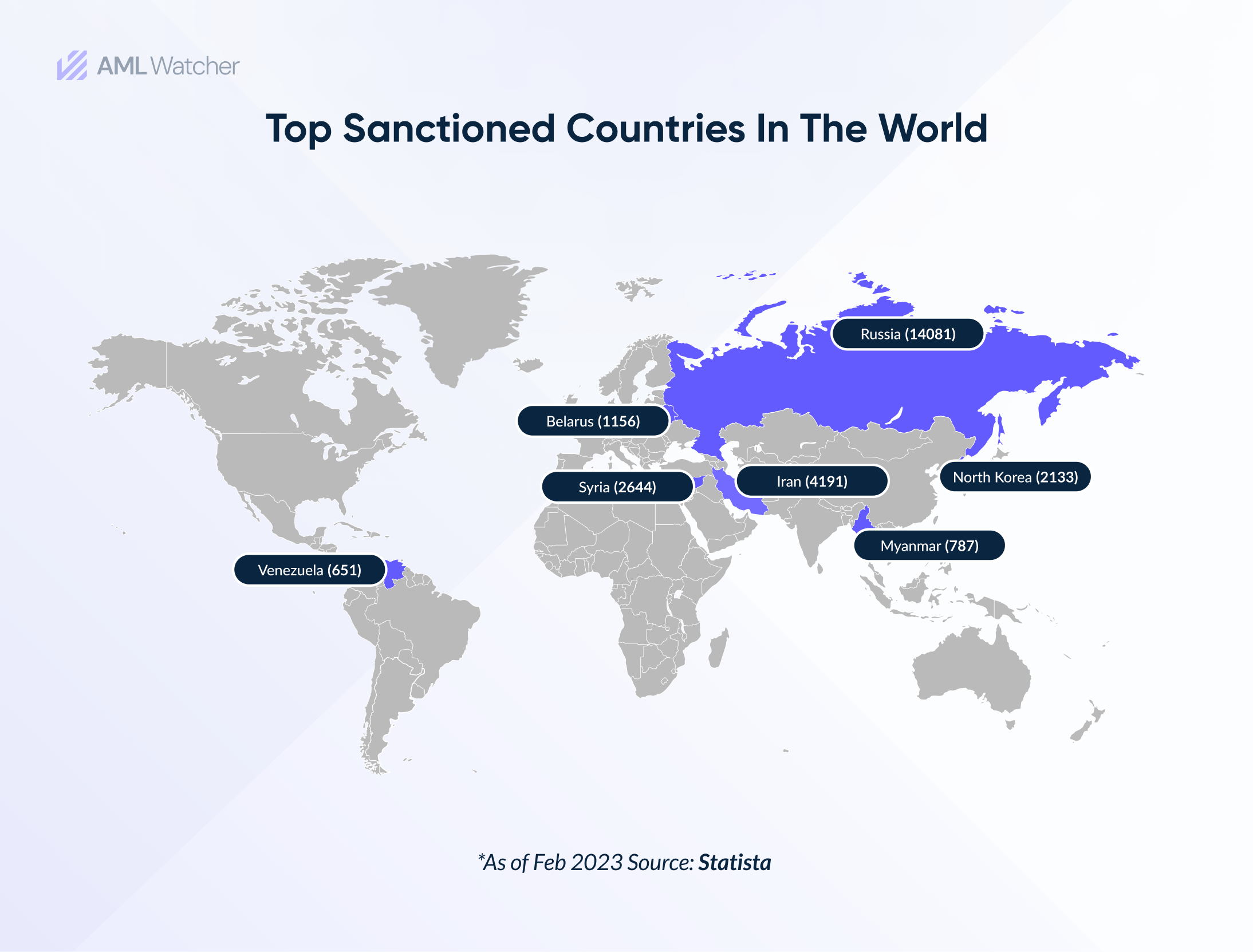
As of October 2023, the following countries are subject to OFAC sanctions:
- Cuba
- Iran
- North Korea
- Venezuela
- Syria
Each of these countries has a unique set of restrictions based on the circumstances that led to the imposition of sanctions. For example, sanctions on Iran are largely focused on its nuclear program, while those on Cuba reflect a long-standing political disagreement dating back to the Cold War.
Impact on International Trade
The sanctions imposed by OFAC greatly affect international trade and commerce. U.S. businesses are often prohibited from engaging in trade with sanctioned countries. This includes restrictions on exporting goods, providing services, or engaging in financial transactions. As a result, companies must carefully navigate compliance requirements to avoid severe penalties.
Challenges for Businesses
Businesses operating in or with ties to sanctioned countries face a myriad of challenges:
- Compliance Risk: Companies must implement strict compliance programs to avoid unintentional sanctions violations, risking significant fines and reputational damage.
- Market Access: Access to markets in sanctioned countries can be severely limited, impacting revenue potential.
- Legal Ramifications: Engaging with sanctioned entities can lead to legal actions against both individuals and corporations, further complicating international business operations.
Humanitarian Considerations
While sanctions are often intended to pressure governments to change their behavior, they can also have unintended consequences on the civilian population. Citizens in sanctioned countries may suffer from shortages of essential goods, including food, medicine, and other necessary services.
Efforts to mitigate the impact of sanctions on humanitarian aid have been made, including allowing certain exceptions for food and medical supplies. However, the effectiveness of these measures can vary.
Conclusion
Understanding OFAC sanctioned countries is vital for businesses, policymakers, and individuals. The implications of these sanctions extend beyond mere trade restrictions, influencing international relations, economic stability, and the daily lives of millions. As the geopolitical landscape continues to evolve, staying informed about OFAC regulations and their impacts will remain essential.
Resources for Further Understanding
For those seeking to delve deeper into the complexities of OFAC sanctions, several resources are available: official OFAC guidelines, compliance training programs, and legal consultations are all beneficial for navigating this challenging landscape.