
The evolution of gambling A historical perspective on games of chance
Ancient Beginnings of Gambling
The history of gambling can be traced back to ancient civilizations, where games of chance were often intertwined with rituals and social events. Evidence of gambling activities has been found in ancient China, where it is believed that tiles were used to play a rudimentary game of chance as early as 2,300 BC. The significance of these early games extended beyond mere entertainment; they served as a means of fortune-telling and community bonding. Today, many enjoy engaging with uk betting sites as part of their wagering experience.

Similarly, in ancient Rome, gambling was prevalent among the elite, who enjoyed betting on various events, including gladiator fights and chariot races. The Romans were known for their love of dice games, which contributed to the evolution of gambling as a pastime that crossed social boundaries, affecting various strata of society.
The Middle Ages and the Birth of Modern Gambling
During the Middle Ages, gambling became more structured, with the introduction of various card games. The deck of cards as we know it today evolved from earlier Chinese and Indian card games. This period also saw the emergence of gambling houses in Europe, where games like poker and blackjack began to take shape. The Church often condemned these activities, considering them sinful, but this did not deter the populace from participating.
The Renaissance marked a pivotal moment in gambling history, as it ushered in a more formalized approach to betting. Gaming regulations began to emerge, leading to the establishment of rules and methods for various games of chance. This evolution was instrumental in laying the groundwork for the modern gambling industry we recognize today.
The Rise of Casinos and State Regulation
The 17th and 18th centuries witnessed the rise of casinos, with Venice opening one of the first official gambling establishments in 1638. As gambling became increasingly popular, various nations recognized the need for regulation. Governments began to impose taxes and establish licenses for gambling operations, thus legitimizing the industry and ensuring that it contributed to the economy.
By the 19th century, the casino culture had expanded across Europe and the Americas, with establishments offering a wide range of games. The introduction of roulette and the establishment of Las Vegas as a gambling hub in the mid-20th century further propelled the growth of this industry, making gambling accessible to a broader audience.
The Digital Revolution and Online Gambling
The advent of the internet in the late 20th century brought about a seismic shift in the gambling landscape. Online casinos and betting platforms emerged, allowing players to engage in games of chance from the comfort of their homes. This evolution democratized access to gambling, offering convenience and a vast array of options that traditional casinos could not match.
However, the rise of online gambling also posed challenges for regulatory bodies, leading to discussions about responsible gambling and consumer protection. Many countries have since introduced laws and regulations to ensure fairness and safety in online betting, shaping the future of gambling as it adapts to technological advancements.
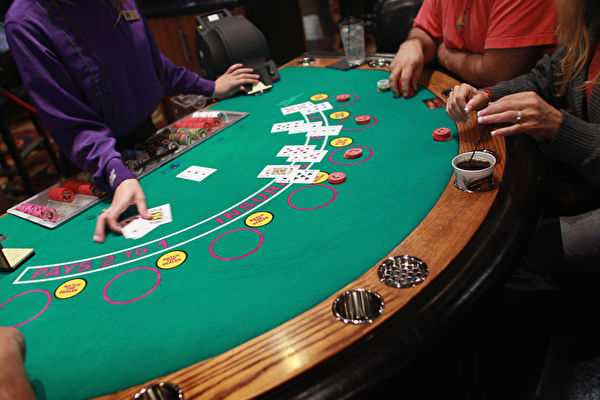
Exploring Modern Gambling Resources
Today, players have access to a wealth of resources that aid in their gambling experiences. Websites dedicated to providing comprehensive information about betting options, strategies, and trustworthy platforms have become indispensable. These resources not only enhance user knowledge but also promote responsible gambling practices.
With dedicated sites offering reviews, ratings, and comparisons of bookmakers, players can make informed choices tailored to their preferences. Whether a novice or a seasoned bettor, accessing reliable information is crucial in navigating the ever-evolving landscape of games of chance, ensuring a more enjoyable and secure experience.