
Understanding the psychology of gambling what Pin-up casino reveals about player behavior
The Allure of Gambling
The psychology behind gambling is complex and multifaceted, driven by a blend of emotional, cognitive, and social factors. Gamblers often experience an intoxicating thrill that stems from the uncertainty of outcomes. This adrenaline rush can lead to a feeling of euphoria when winning, reinforcing the desire to continue playing. The engagement with games such as those found at Pinup bd login showcases how the anticipation of winning can be a powerful motivator for players.
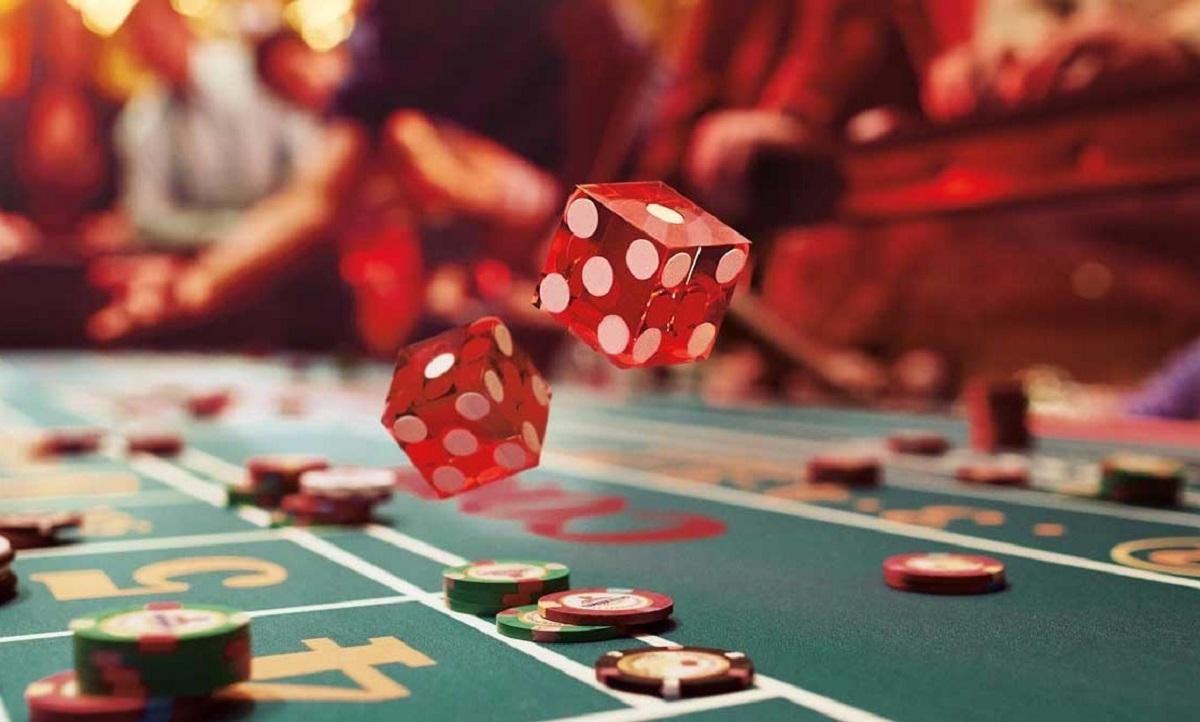
Furthermore, the environment of a casino, filled with vibrant lights and sounds, enhances this experience, creating a sensory overload that captivates players. The design of games and the psychological triggers embedded in them are strategically crafted to keep players engaged, often leading to extended play sessions that can spiral into problematic gambling behavior.
Cognitive Biases in Gambling
Many gamblers fall prey to cognitive biases that distort their understanding of probabilities and outcomes. One common bias is the illusion of control, where players believe they can influence the outcome of games that are fundamentally random. This misconception can lead to overconfidence, prompting players to take larger risks than they normally would. Pin-up Casino and similar platforms capitalize on these biases, often designing games that give players a false sense of agency.
Another significant bias is the gambler’s fallacy, where players think past events affect future outcomes. For instance, someone might believe that after a series of losses, a win is “due.” This flawed logic can drive people to keep playing in the hopes of reversing their luck, often leading to increased financial loss and emotional distress.
The Role of Social Influence
Social dynamics play a crucial role in gambling behavior. Many individuals are influenced by their peers, as gambling can be seen as a social activity. The shared experience of playing games at venues like Pin-up Casino creates an atmosphere that encourages participation and can lead to heightened excitement. Observing others win can trigger FOMO (fear of missing out), further motivating individuals to join in.
Moreover, the normalization of gambling in certain social circles can desensitize individuals to its risks. Friends and family who gamble may inadvertently promote the idea that gambling is a harmless pastime, making it easier for new players to engage without fully understanding the potential consequences of their actions.
Emotional Regulation and Gambling
For some, gambling serves as a mechanism for emotional regulation. Individuals experiencing stress, anxiety, or depression may turn to gambling as a form of escapism. The temporary distraction it provides can be appealing, but this coping strategy can quickly become maladaptive. As players chase wins to alleviate their negative emotions, they may find themselves trapped in a cycle of gambling that exacerbates their emotional state.
Pin-up Casino provides an array of games that can intensify these feelings, as the highs of winning can be intoxicating, while losses can lead to increased distress. Understanding the emotional triggers that drive individuals to gamble is essential for recognizing the risks associated with this behavior and seeking healthier coping mechanisms.

Exploring Player Behavior on Pin-up Casino
This website serves as a valuable resource for understanding player behavior in gambling environments like Pin-up Casino. It offers insights into the psychological aspects that drive individuals to engage with casino games, as well as tips for managing gambling responsibly. The information provided can empower players to recognize their tendencies and make informed decisions about their gambling activities.
By fostering awareness of the psychological triggers involved in gambling, this platform aims to support individuals in navigating their experiences while promoting responsible gaming practices. The ultimate goal is to enhance the understanding of gambling psychology and encourage healthier relationships with gambling activities.